
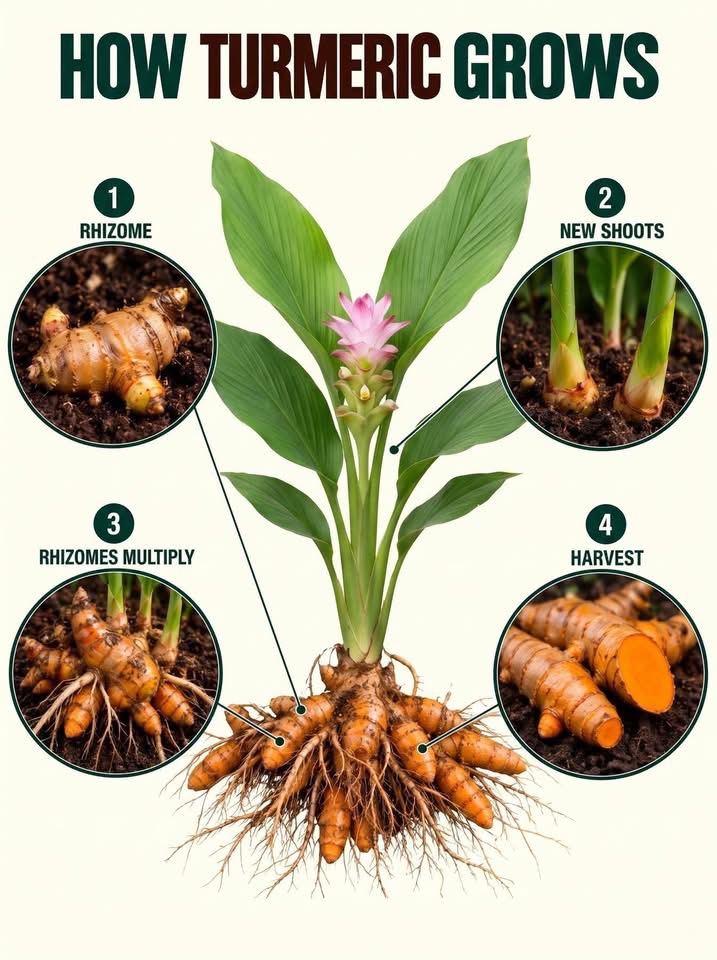
Turmeric brings earthy flavour, colour and tropical foliage to the home garden. Beneath those broad green leaves, its underground stems, called rhizomes, multiply into a harvest you can cook with, share and replant.
For gardeners in Australia’s warm coastal regions, it is a rewarding crop. In cooler areas, a large pot and a warm, sheltered position can help extend the growing season.
WHY GROW IT?
Fresh turmeric lifts curries, soups, rice, marinades and roasted vegetables. Growing your own gives you control over soil inputs & pest management, reduces packaging and makes fresh spice available without buying a whole packet.
Turmeric contains curcuminoids, including curcumin, a compound with evidence of anti-inflammatory activity – can reduce some inflammatory markers and may ease knee osteoarthritis pain. Black pepper can increase curcumin’s availability to the body, which can improve its effects.
The clearest benefits are practical: fresh flavour, garden diversity and the satisfaction of producing a useful ingredient from a small patch of soil.
HOW TO GROW IT ORGANICALLY
1. Start with healthy planting material.
Choose firm Curcuma longa rhizomes with visible buds from a supplier. Avoid soft, mouldy or shrivelled pieces. If dividing a rhizome, leave at least one healthy bud on each piece and let cut surfaces dry before planting.
2. Wait for warmth.
Plant in spring once frost risk has passed and the soil has warmed. Turmeric needs a long, warm season and is slow to sprout in cold soil. In cooler districts, start it in pots under cover.
3. Build fertile, draining soil.
Mix mature compost into loose soil. Heavy, waterlogged ground encourages rot, so use a raised bed where drainage is poor. For containers, choose a wide pot with drainage holes and a good-quality potting mix.
4. Plant and protect.
Set rhizomes about 5 cm deep, buds upward, 30 cm apart. Give them morning sun and shelter from harsh afternoon heat. Apply mulch to conserve moisture, keeping it clear of emerging shoots.
5. Water and feed thoughtfully.
Keep soil evenly moist during active growth, never boggy. Water less before shoots appear and as the foliage dies back. Top-dress with compost and use an organic fertiliser as directed if growth needs support.
6. Manage pests gently.
Check for slugs, snails and damaged leaves. Hand-remove pests where practical. Good drainage, clean planting material and sensible watering are your first defence against rhizome rot.
HARVEST & ENJOY
Allow around 8-10 months, depending on climate. When leaves yellow and die back, lift the clump gently. Save sound rhizomes for replanting; wash those for the kitchen and refrigerate or freeze them.
Grate fresh turmeric into meals. It stains hands, clothes and chopping boards, so handle it thoughtfully.
A few healthy rhizomes, living soil and patience can turn a garden corner into a golden harvest.